Chopin: The Four Scherzi – Overview, Form, Character & Listening Tips
The four scherzi are among the most brilliant and powerful works in the Romantic piano repertoire. This overview provides a concise introduction to their form, keys, origins, and character, with direct links to the individual articles Scherzo No. 1, Scherzo No. 2, Scherzo No. 3 and Scherzo No. 4, as well as the main page Chopin’s Piano Music.
Comparison at a glance
| Work | Key / Opus | Year(s) | Form (simplified) | Character (brief) | Duration (approx.) |
|---|---|---|---|---|---|
| Scherzo No. 1 | B minor, op. 20 | 1831–1835 | A–B–A + coda | Dramatic outburst, B-flat major song (Christmas carol) | 9–11′ |
| Scherzo No. 2 | B-flat minor, op. 31 | 1837 | A–B–A + coda | Sotto voce question vs. powerful answer; broad cantilena | 9–10′ |
| Scherzo No. 3 | C-sharp minor, op. 39 | 1839/1840 | A–B–A + coda | Octave-driven drama, solemn D-flat major chorale, bright ending | 7–8′ |
| Scherzo No. 4 | E major, op. 54 | 1842/1843 | Rondo / sonata-rondo | Lucid brilliance, trio in C-sharp minor, elegant lightness | 8–10′ |
Short portraits No. 1–4
Scherzo No. 1
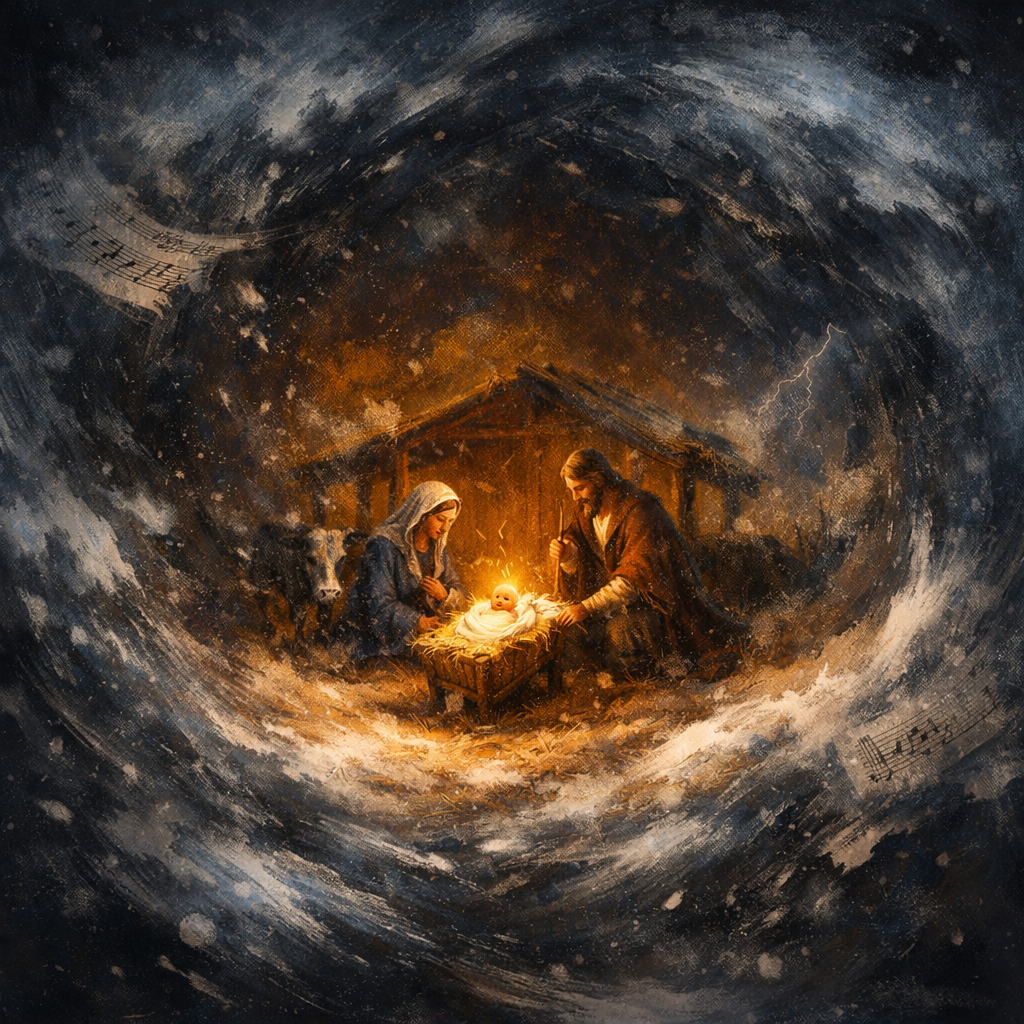
Scherzo No. 1 opens with two sharp chords that set a highly driven Presto con fuoco in motion. The B-flat major middle section quotes the song Lulajże, Jezuniu, an intimate island contrasting with the dramatic frame.
Form, gesture & pianistic writing
All four works are formally expanded scherzi (No. 4 with rondo elements). Typical are sharply contrasted gestures: energetic outer sections with octaves and chordal writing versus lyrical inner sections. Pianistically, they demand octave technique, double-note control, refined pedaling, and clear voicing.
Listening tips & programming ideas
To present the dramaturgy of the genre in a recital, one might combine Scherzo No. 1 and Scherzo No. 2, or contrast No. 3 with the brighter No. 4.