Frédéric Chopin: Scherzo No. 2 in B-flat minor, Op. 31 is a dramaturgical masterpiece of ambiguity: a mysterious sotto voce opening “poses a question” — and the music answers with an abrupt, powerful discharge. Between these poles, Chopin spans an arc from eruptive virtuosity to one of the most cantabile melodic lines of the Romantic era. Completed and published in Paris in 1837, Scherzo No. 2 is now one of Chopin’s most frequently performed concert works.

Contents
Scherzo No. 2 – work data
Basic data
- Composer: Frédéric Chopin (1810–1849)
- Title: Scherzo No. 2 in B-flat minor, Op. 31
- Key & meter: B-flat minor, predominantly 3/4
- Tempo/performance markings: Presto with a sotto voce opening; cantabile theme con anima
- Genesis/publication: completed and first published in 1837 in Paris; Leipzig and London followed shortly after
- Dedication: Countess Adèle de Fürstenstein
- Duration: approx. 9–10 minutes
- Instrument: concert grand; historically, 1830s pianos with shorter resonance and different pedaling behavior
Scherzo Nr. 2
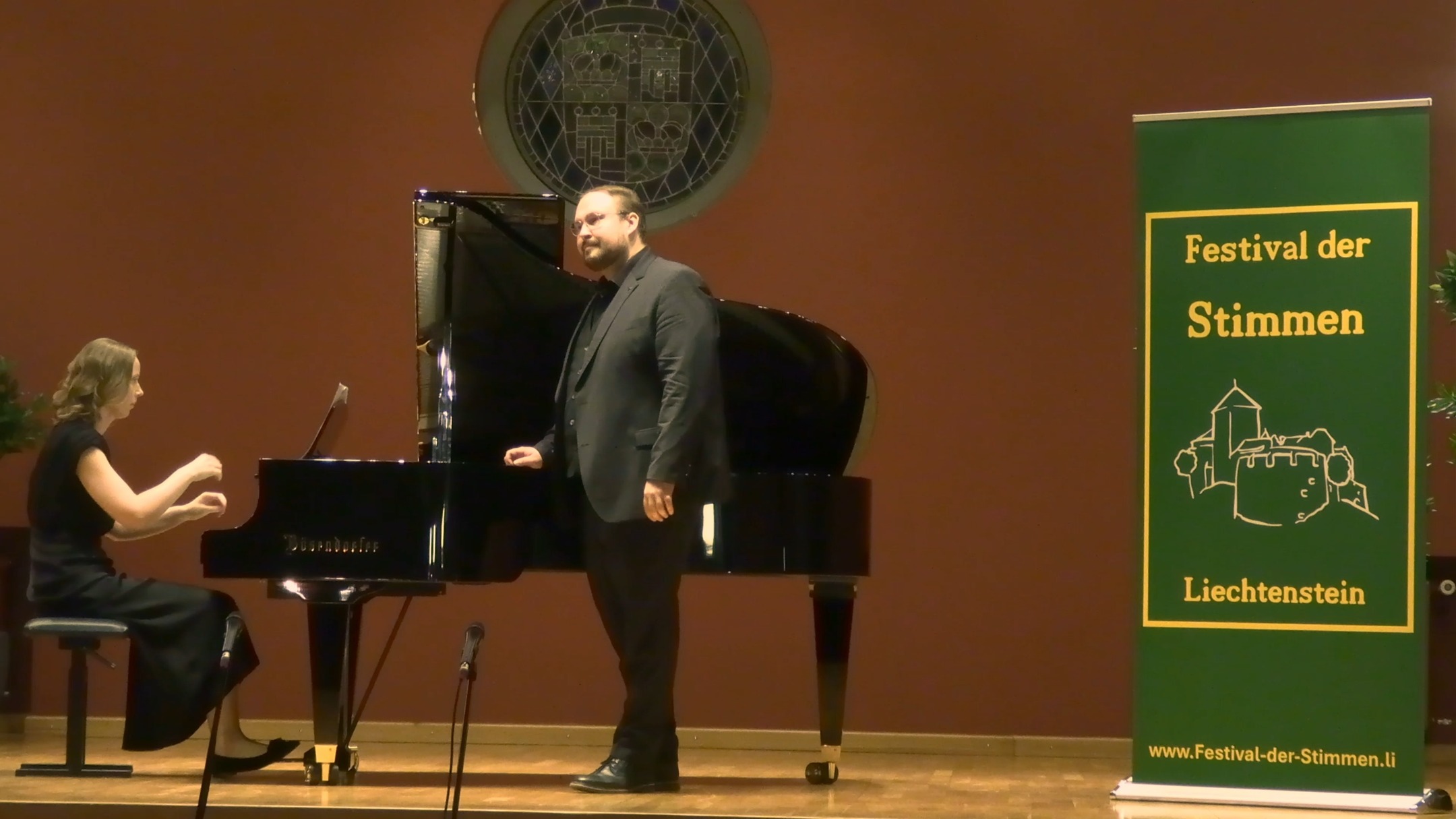
Evgenia Fölsche spielt Scherzo Nr. 2 op. 31 von Frédéric Chopin
Would you like to program Chopin: Scherzo No. 2 in a concert program? Get in touch now.
Frequently asked questions about Chopin: Scherzo No. 2, Op. 31
Click on a question to reveal the answer.
What distinguishes Scherzo No. 2 musically?
The mysterious sotto voce opening, with its sense of expectation and “question-and-answer” gesture; a dramatic main section in B-flat minor; and a broad, cantabile passage, often close to the D-flat major/A-flat major sphere — all brought together in a brilliant, intensifying coda.
How long is the piece and how difficult is it?
Around 9–10 minutes; it belongs to Chopin’s virtuosic concert works, requiring octaves, large-scale figuration, balance between line and chords, controlled rubato and differentiated pedaling.
Which edition do you recommend?
Proven choices include the Polish National Edition (PWM), Henle Urtext, and critically annotated reprints of the first editions; they document variants in articulation, pedal and phrasing, and support well-founded textual decisions.
When was the work composed and published?
It was completed and published in 1837 in Paris, with Leipzig and London editions following shortly afterward.
Does Scherzo No. 2 refer directly to a historical event?
There is no direct connection to concrete historical events comparable to the first Scherzo. For Op. 31, neither a folk-song quotation nor a verifiable programmatic idea has been transmitted; its effect arises primarily from the inner musical dramaturgy: mask and revelation, deceptive calm and sudden release.
Questions about programming, choice of edition or interpretation? Get in touch without obligation.
Sources
- NIFC – overview of the Scherzi dating and publication. Path: chopin.nifc.pl/en/chopin/gatunki/14_scherza
- IMSLP – Scherzo No. 2, Op. 31 first editions/copyist’s manuscript; dedication to Adèle de Fürstenstein. Path: imslp.org/wiki/Scherzo_No.2,_Op.31
- LA Phil – work commentary, composed in 1837. Path: laphil.com/musicdb/pieces/3163/scherzo-no-2-in-b-flat-minor-op-31
- AllMusic – work profile with composition and publication in 1837, duration and structural notes. Path: allmusic.com/composition/mc0002363846
- Hyperion liner notes – Lenz quotation, “It must be a charnel house …”, question-and-answer interpretation. Path: hyperion-records.co.uk/dw.asp?dc=W777_GBAJY1719429
- Discogs – Arthur Rubinstein, The Chopin Scherzos RCA, 1959. Path: discogs.com/master/297085
- Official Horowitz discography, sessions from 1926/1957 and others. Path: vladimirhorowitz.com/1_38_All-Recordings-1926-1968.html
- Internet Archive – Michelangeli HMV DB 5355, label and matrix information. Path: archive.org/details/...db-5355
- DG/Presto – Pollini with Chopin Scherzi editions. Path: deutschegrammophon.com/.../chopin-4-scherzi · prestomusic.com – pollini chopin
- Discogs – Sviatoslav Richter: Chopin – 4 Scherzi. Path: discogs.com/master/629213