Frédéric Chopin: Scherzo No. 4 in E major, Op. 54 is the most lucid and at the same time the most refined of the four Scherzi: not a dramatic outcry, but a shimmering play of texture, inner voices and transformation. As the only Scherzo primarily in a major key, its brightness is not harmlessness, but a highly precise web of elegance and control. Conceived in Nohant in 1842 and first published in 1843, Op. 54 feels like an artful masquerade: lightness on the surface, strict logic underneath.

Work data and form
Basic data
- Composer: Frédéric Chopin (1810–1849)
- Title: Scherzo No. 4 in E major, Op. 54
- Tempo: often marked Presto
- Genesis: 1842, summer in Nohant
- First publications: Paris & Leipzig 1843; London 1844/45
- Duration: approx. 8–10 minutes
- Special feature: Chopin’s only Scherzo primarily in a major key
Form & structure
Often described as a sonata-rondo, combining rondo logic with sonata-like tension and transition mechanisms: the elegant main material in E major returns several times — each time differently lit, differently “instrumented” and differently weighted. A contrasting middle section, often called the trio, in C-sharp minor forms the inner counter-sphere; the coda gathers the kinetic energy into glittering runs and chordal cascades.
Related articles: Scherzo No. 1 · Scherzo No. 2 · Scherzo No. 3 · Overview: Chopin’s Scherzi
Genesis & sources
Life situation & places
Chopin worked on the Fourth Scherzo in 1842 during the summer at Nohant, George Sand’s country house. Compared with the earlier Scherzi, Op. 20, 31 and 39, its tone is less “dramatic” than capricious and chamber-like: tension arises not from shock effects, but from transparency, inner voices and microscopic phrasing.
First editions & dedication
- Paris/Leipzig: 1843 – Schlesinger in Paris, Breitkopf & Härtel in Leipzig
- London: 1844/45 – Wessel
- Dedication: transmitted differently in some sources; often cited as dedicated to Mlle. Jeanne de Caraman, sometimes also as Clotilde de Caraman.
Why does the piece seem “hard to understand”?
Listeners familiar with Scherzi Nos. 1–3 often expect a dramatic block contrast in the Fourth Scherzo: “storm – island – storm”. Op. 54 works differently: it is less narrative than fabric. The “subject” is not one large melody, but the way motives appear, disappear, return and color one another in different voices.
A shift in listening perspective helps: not “Where is the theme?”, but “Which voice is leading — and who answers?”. Once foreground and background are heard attentively, the piece no longer sounds diffuse, but precise — like a spider’s web: every strand is fine, yet the whole is highly stable.
Performance & reception
The E major Scherzo has belonged to the concert repertoire since the 19th century, often programmed as the “bright” counterpart to Op. 20, 31 and 39. Commentators emphasize its mixture of brilliance and elegance, requiring an especially differentiated pianissimo, supple legato and sparkling articulation: brilliance through timing and tone color, not through volume.
Reference recordings selection
- Arthur Rubinstein – The Chopin Scherzos (RCA)
- Vladimir Horowitz – studio and live recordings
- Alfred Cortot – historical cycles
- Maurizio Pollini – DG editions and box sets
- Martha Argerich – concert recordings and editions
- Evgeny Kissin – recital programs featuring Op. 54
Listening tip: Rubinstein for line, Pollini for architecture and Cortot for speaking agogics show how strongly Op. 54 depends on sound ideal and the weighting of inner voices.
Visual representation
Artistic visualization by Evgenia Fölsche:
The symbolic representation uses an abstract spider’s web: finely branched lines that hold tension without creating heaviness.
Reflective color elements place points of light within the web — like highlights in Chopin’s texture that are constantly refracted anew.
In this way, the music becomes perceptible as movement through filigree layers: springy, precise and shimmering, until the energy gathers in the finale
into a sparkling whole.
Music-theoretical analysis
Form & dramaturgy: rondo as a machine of transformation
The main material in E major appears like “springing lightness”, but its effect comes from microscopic work: phrase endings are reinterpreted, transitions are not merely connective but dramaturgical — as fading in and out of perspectives. The rondo principle of return thus becomes a machine of transformation: return rarely means “repetition” here, but “new illumination”.
Texture & voice leading: foreground and background as the subject
- Inner voices: many musical “arguments” lie not in the top voice, but in middle voices and contrary motion.
- Imitation/answer: motives appear offset, mirrored or “thrown back” in another register.
- Texture as subject: the piece feels as though not one melody, but a fabric, is the true subject.
Harmony & tonal plan
- Outer frame: E major with excursions into dominant and mediant regions; chromatic transitions as hinge points.
- Trio/middle section: C-sharp minor as an inner sphere: song-like, listening inward.
- Coda: condensed sequences and bright points; tension through concentration and register work, not through force.
Technique, sound & pedal
- Articulation: springy and elastic; staccato/staccatissimo more dancing than percussive.
- Voicing: the top voice sings, but the inner voices must also narrate.
- Pedal: restrained; changing and half pedal for transparency, especially at harmonic hinges.
- Brilliance: arises through clarity and timing, not pressure.
Expression & interpretation
Op. 54 is often described as a “luminous” counterpart to the earlier Scherzi — but not as carefree. E major here feels more like light in glass: transparent, reflective, constantly changing. The music is capricious, finely articulated and at the same time strictly built. The impression of a masquerade is apt: behind the smile stands compositional logic; behind the shimmer, discipline.
This is helpful interpretatively as well: whoever plays Op. 54 as a “light” piece makes it heavy; whoever understands it as a precise web lets it shine.
For genre context and comparison with the other Scherzi, see the overview: Chopin’s Scherzi.
Evgenia Fölsche – performances & recording
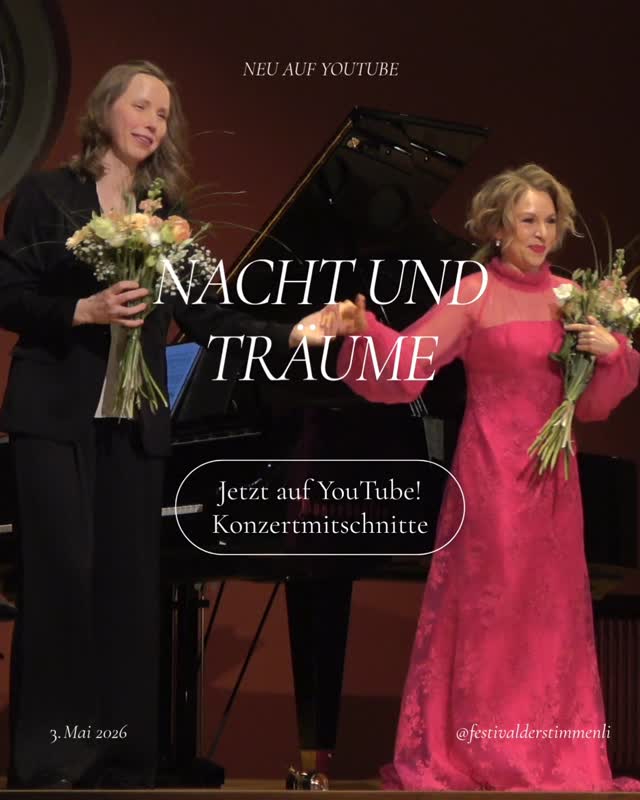
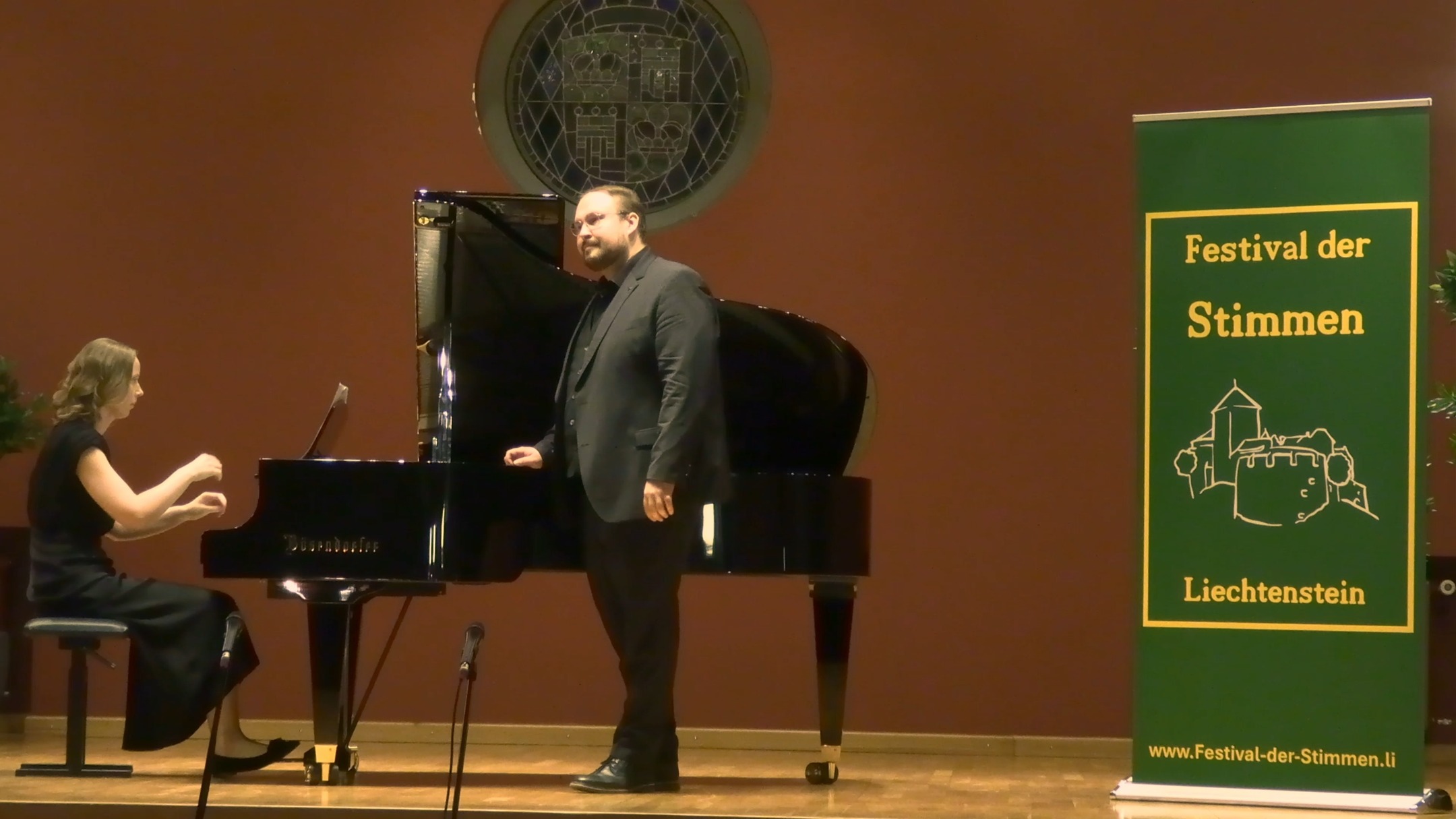
Pianist Evgenia Fölsche has presented Chopin’s Scherzo No. 4 in concert programs and recorded the work. Her interpretation emphasizes springy rhetoric, the transparency of the inner voices and a sparkling, never hard brilliance in the coda.
Music & contact
Evgenia Fölsche plays Frédéric Chopin’s Scherzo No. 4: